I was digging through my late uncle's garage last month—dusty boxes, old tools, the usual—when I found it. A crinkled copy of Fleetwood Mac's Rumours, still in its sleeve. I didn't even own a turntable anymore. But something about holding that record made me feel like I'd unearthed a relic. Spoiler: I bought a turntable two days later. And judging by the numbers coming out of the music industry this year, I'm far from alone.
Vinyl records are outselling CDs again in 2025—and not by a squeaker. This is the third straight year physical vinyl has outpaced compact discs in revenue, and the gap is widening. For those of us who grew up burning mixtapes and scratching CDs in our school backpacks, this feels like the plot twist nobody saw coming.
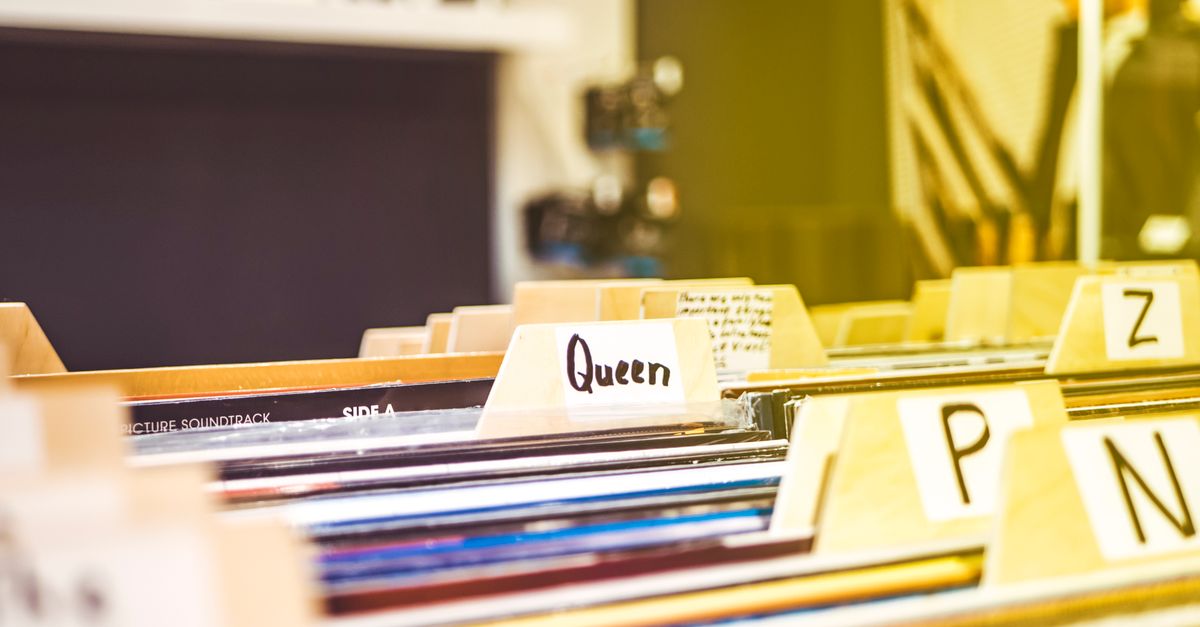
The Analog Comeback Nobody Bet On
Let's be honest: five years ago, most people would've bet vinyl was a hipster fad destined for the bargain bin. I was one of them. I remember rolling my eyes at $40 record prices and thinking, "This is a nostalgia tax for people with too much shelf space."
I was wrong. Dead wrong.
Here's what most people miss: vinyl sales aren't just surviving—they're thriving because they offer something digital streaming can't. It's not about sound quality debates or audiophile snobbery. It's about tangible ownership. When you buy a record, you're not renting access to a song that can vanish from a platform overnight. You own the thing. You can hold it. You can smell the sleeve. You can read the liner notes while your coffee goes cold.
In an era where our entire music libraries live in invisible clouds, that physicality has become a quiet act of rebellion.
The Numbers That Made Me Do a Double-Take
I dug into the 2025 reports, and the data is wild. Vinyl now accounts for roughly 80% of all physical music revenue—CDs, cassettes, and everything else are fighting for scraps. Meanwhile, CD sales have flatlined, and it's not hard to see why.
Think about it. CDs were always a compromise format—digital sound in a plastic case. They had their moment when they beat cassettes on convenience and durability. But once streaming made convenience irrelevant, CDs lost their reason to exist. Vinyl, weirdly, won because it was never about convenience in the first place.
The vinyl revival is the story of a format that survived because it offered an experience, not a utility. There's a lesson in there for anyone paying attention.

Why Music Lovers Are Actually Winning Here
Okay, but what does this mean for you and me—the people who actually listen to music?
Here's my honest take: the vinyl boom is quietly reshaping how artists and labels think about their work. When physical records sell, artists get a bigger cut. When a record sells out, fans feel like they're part of something scarce and real. I've found that the albums I own on vinyl are the ones I actually sit with—no skipping, no shuffle, no "next track" anxiety. You flip the record. You commit to side A.
That's not nostalgia. That's a different relationship with music.
A few things I think every music lover should know about this shift:
- The listening ritual is the product. Vinyl forces you to be present. That's the feature, not a bug.
- Pressing plants are backed up for months. If you want a limited release, move fast—demand is outpacing supply.
- Indie artists are thriving. Direct-to-fan vinyl campaigns are becoming a lifeline for musicians who've given up on streaming royalties.
- CDs aren't dead, but they're niche. They're becoming the collector's format for people who want digital sound with physical packaging—just don't expect the industry to keep the aisle stocked.
- Quality matters more than ever. Cheap pressings sound terrible. Buying from reputable labels is worth the extra few bucks.
The Dark Side of the Groove
I'd be lying if I said this was all sunshine and warm crackle. There's a real risk in the vinyl boom—the risk of gatekeeping. When records become status symbols, prices climb. When prices climb, the people who love music most get priced out. I've seen limited-edition pressings go for $200 on resale sites within hours of release. That's not a celebration of music. That's a sneaker drop.
Here's what I'd love to see: more affordable pressings, more indie record store support, and fewer "collector's edition" cash grabs. The vinyl revival should be about connection, not exclusivity. If we let it become an elitist hobby, we kill the very thing that made it special.
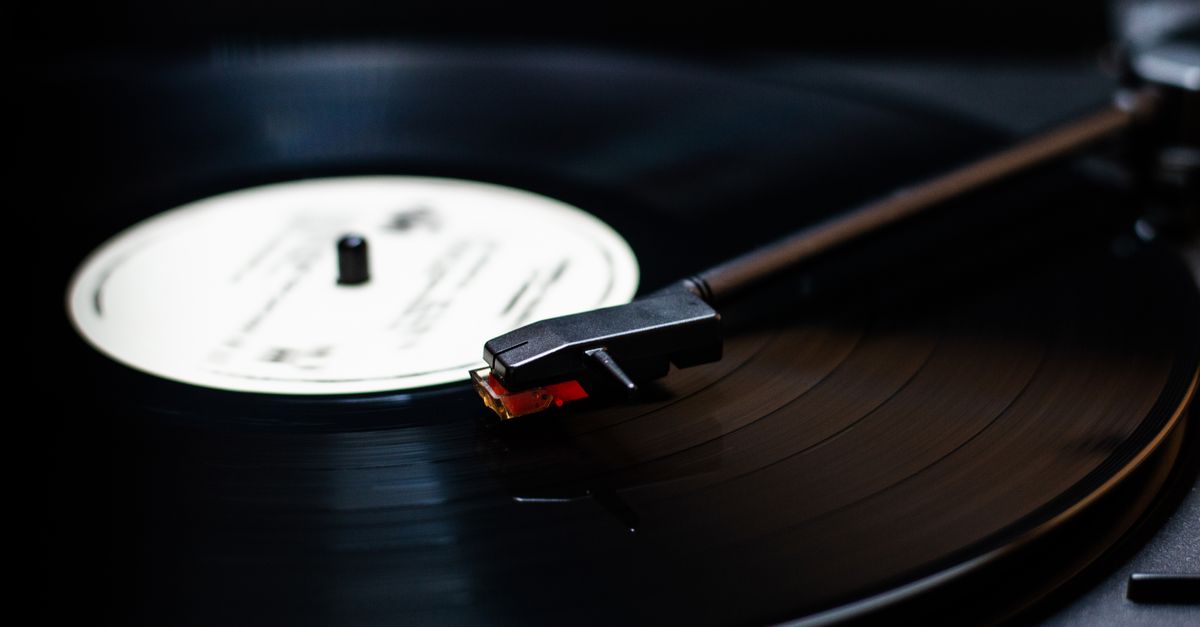
What This Means for the Future of Music
So where does this leave us in 2025? I think we're witnessing something bigger than a format war. The vinyl comeback is proof that people still crave physical connection in a digital world. We want to hold things. We want to slow down. We want to feel like our money is going to artists, not algorithms.
And honestly? That gives me hope. Not just for music, but for how we consume everything—books, art, experiences. The pendulum is swinging back toward the tangible.
If you've been on the fence about starting a record collection, here's my nudge: start small. Pick one album you truly love—not the most valuable pressing, not the collector's edition. Just something that matters to you. Drop the needle. Listen to the whole thing. Let the crackle remind you that some things are worth the friction.
The vinyl records are outselling CDs again. But the real story isn't about the format. It's about us—and what we're choosing to value in a world that keeps trying to make everything invisible.
So, what's the first record you'd buy if you knew it would still be on your shelf in twenty years? I'd love to hear it.
